• Publications
    • Place Guides
  • About
Menu

Westwords

Place. Culture. Memory.
  • Explore
    • Publications
    • Place Guides
  • About

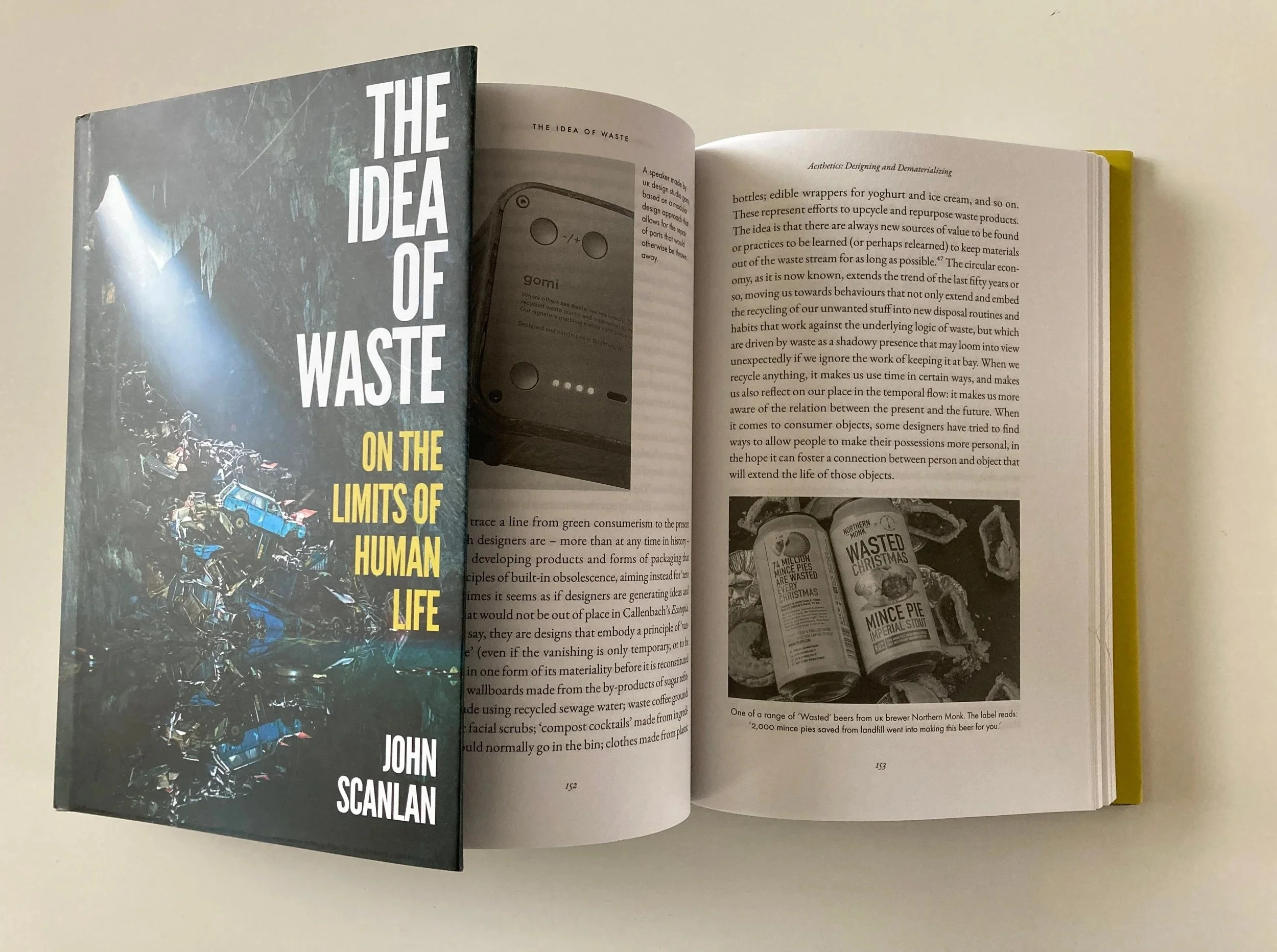
The Idea of Waste

April 2, 2025

An exploration of both the reality and the spectre of waste throughout history.

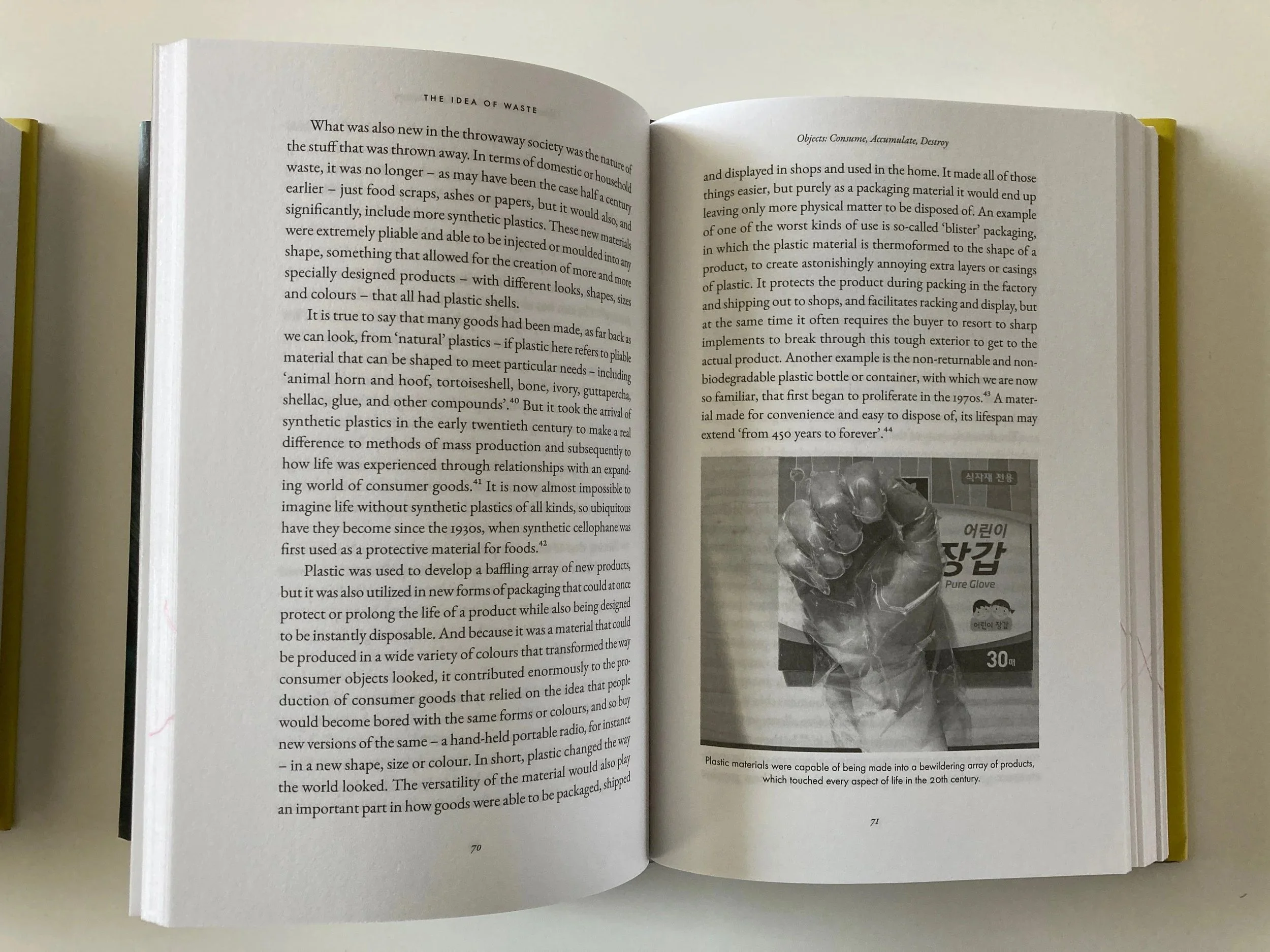
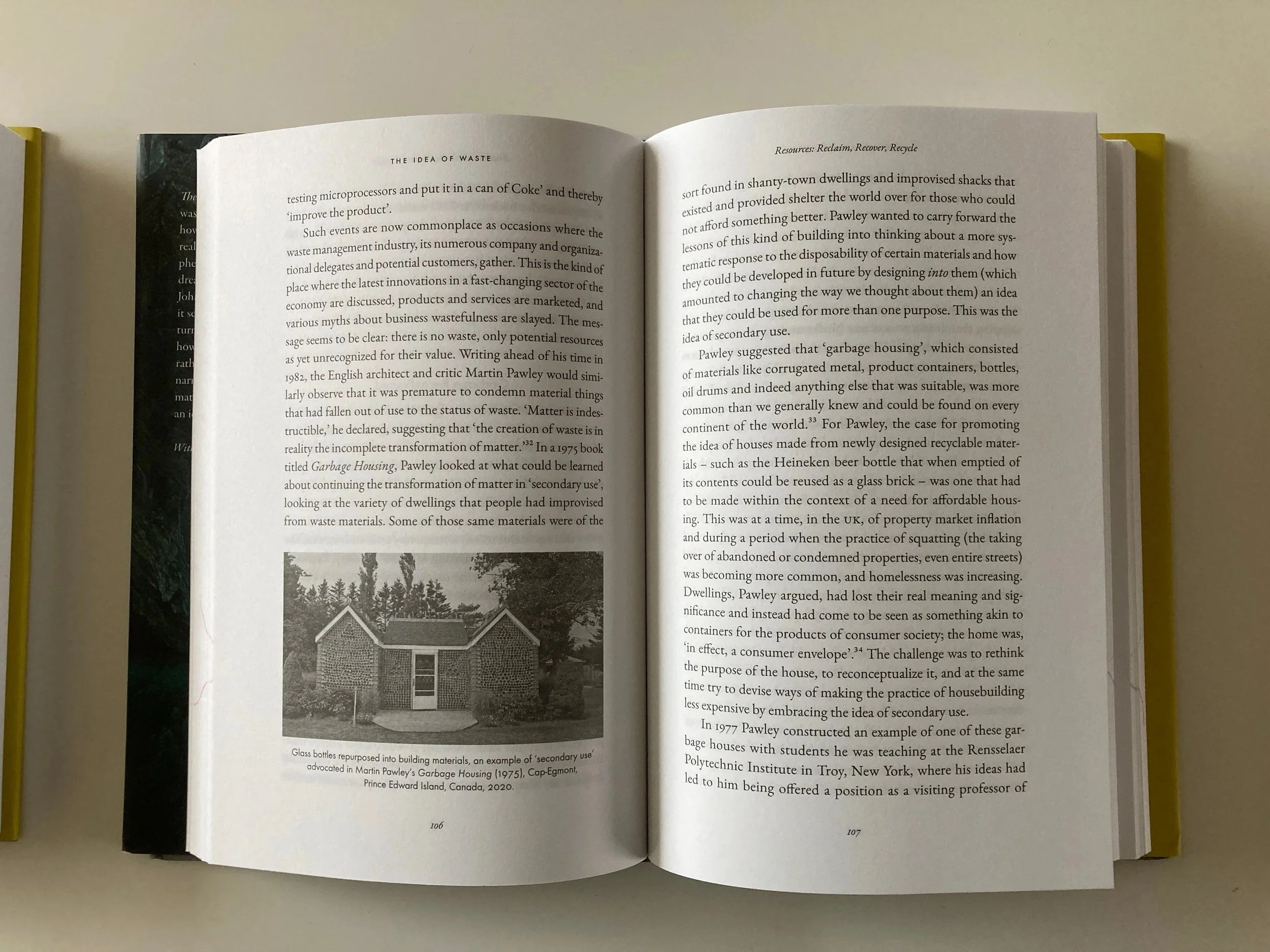
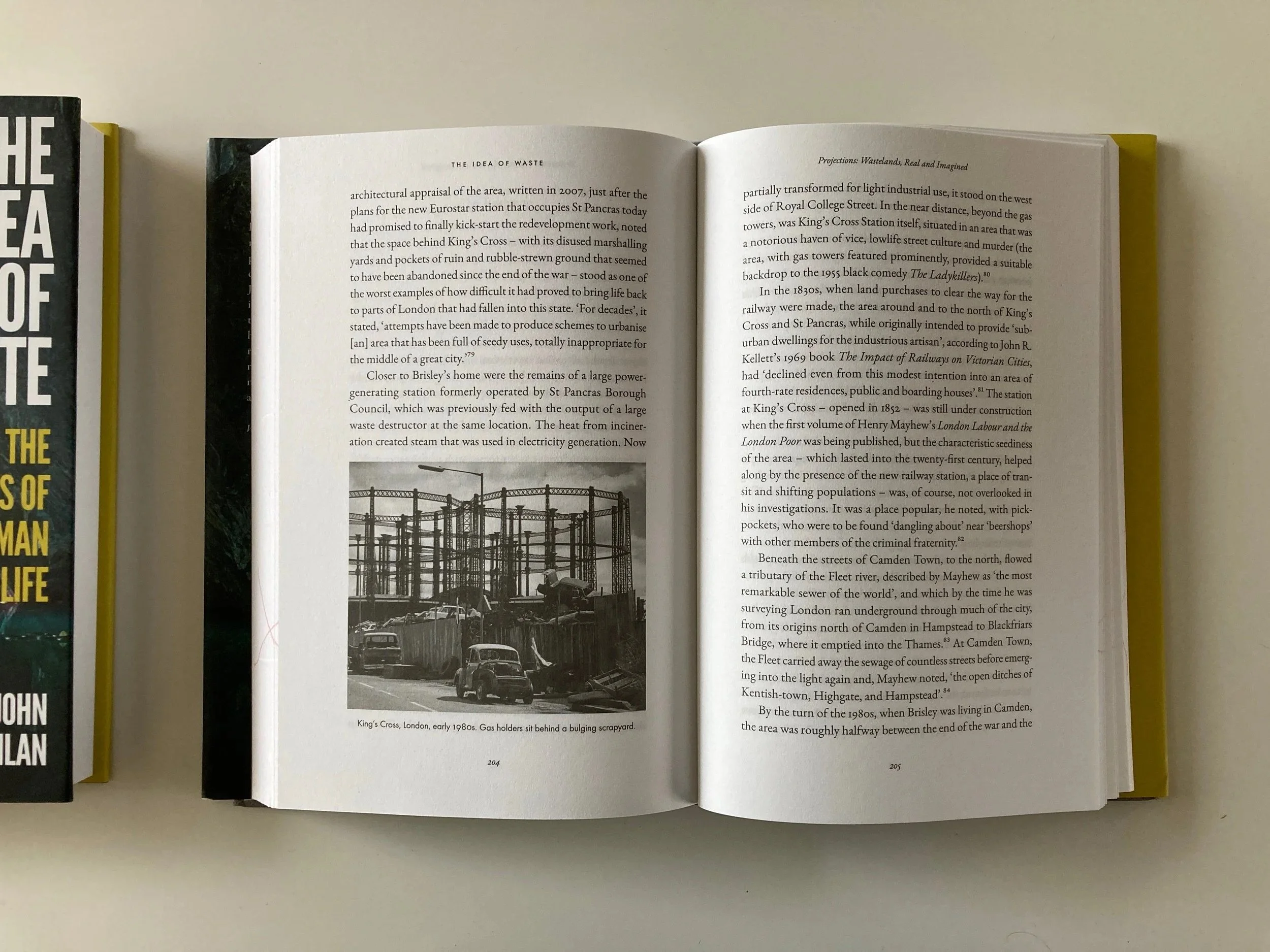
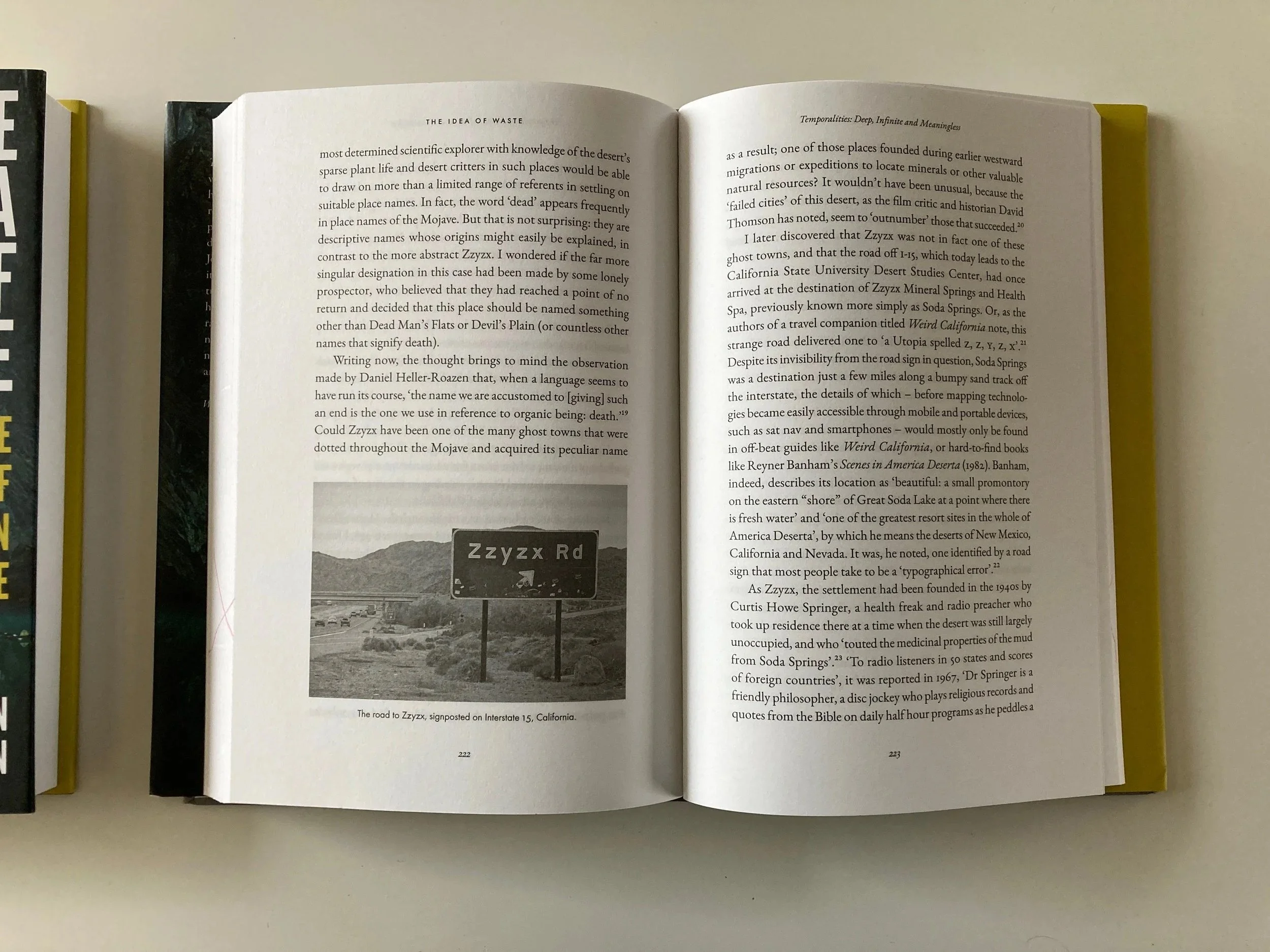
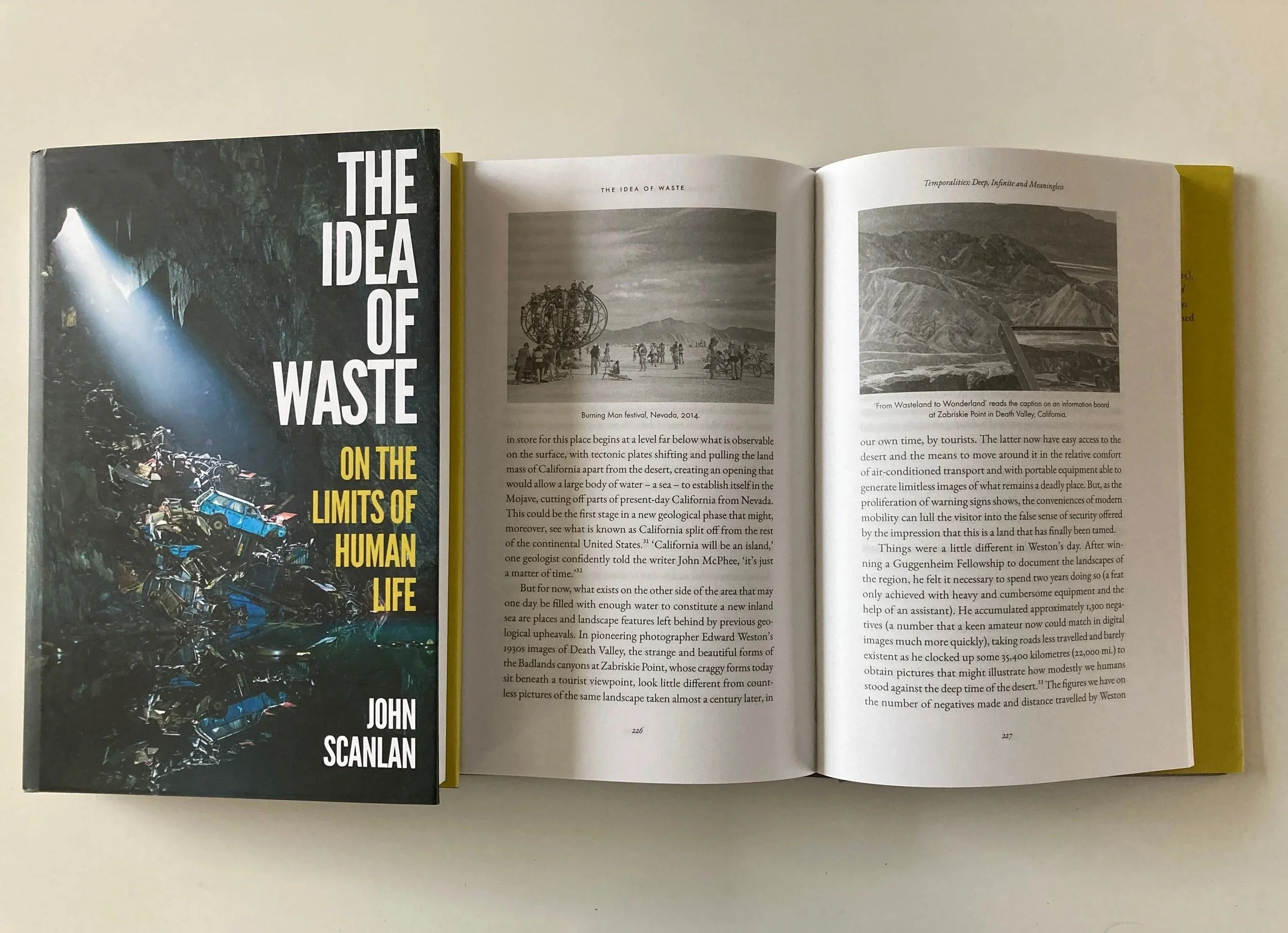
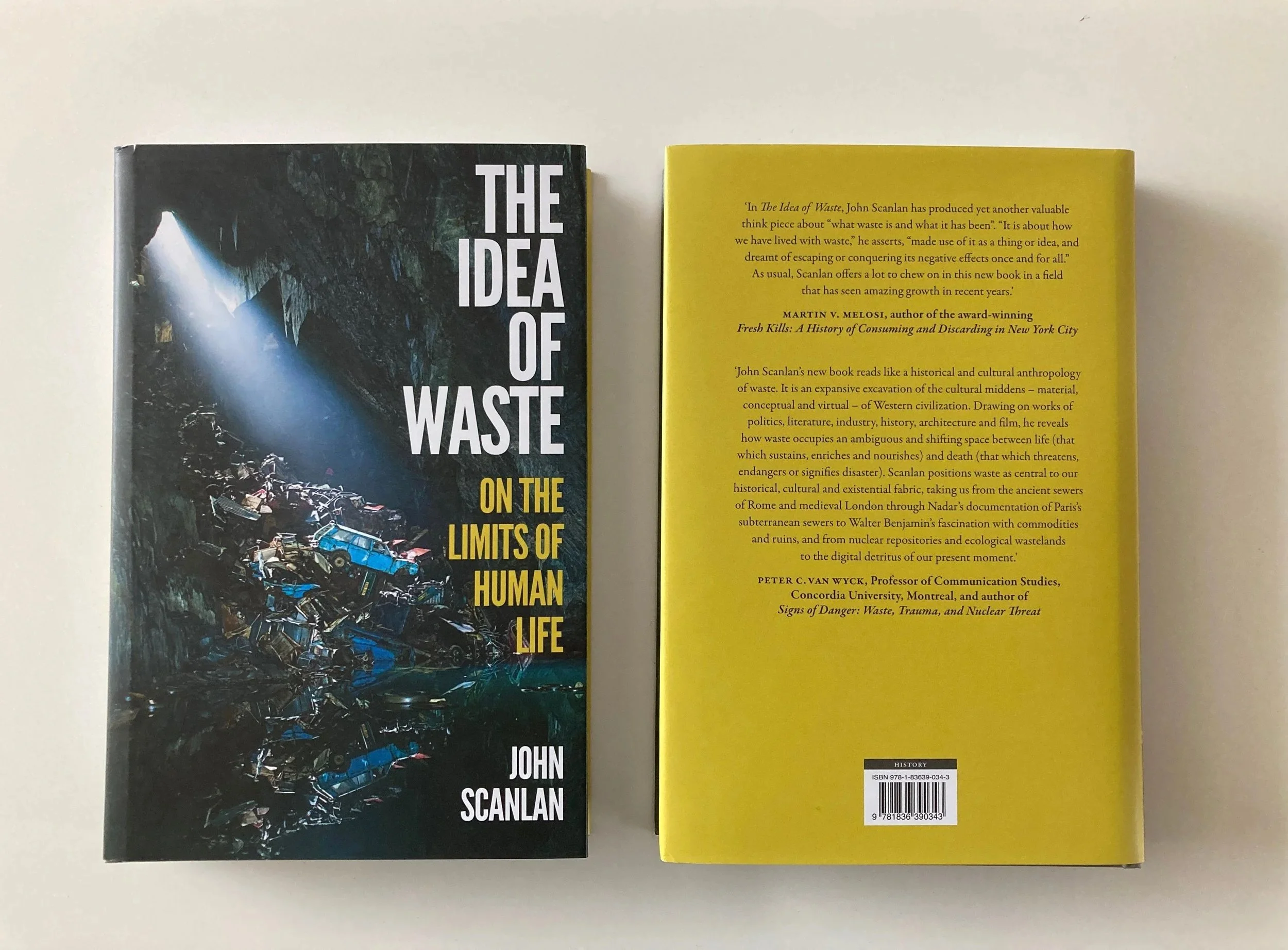
The Idea of Waste starts with the premise that waste is inevitable in human society. It explores how we have grappled with both the material reality and the spectre of this shape-shifting phenomenon throughout history - utilizing it, dreaming of overcoming it, yet never escaping it. John Scanlan investigates what waste is and why it seems to be intrinsic to human life, at every turn, in every age and epoch. He demonstrates how waste never disappears completely but rather only proliferates anew. The compelling narrative shows waste to be both an enduring material consequence of human activity and an idea or state of being.

*

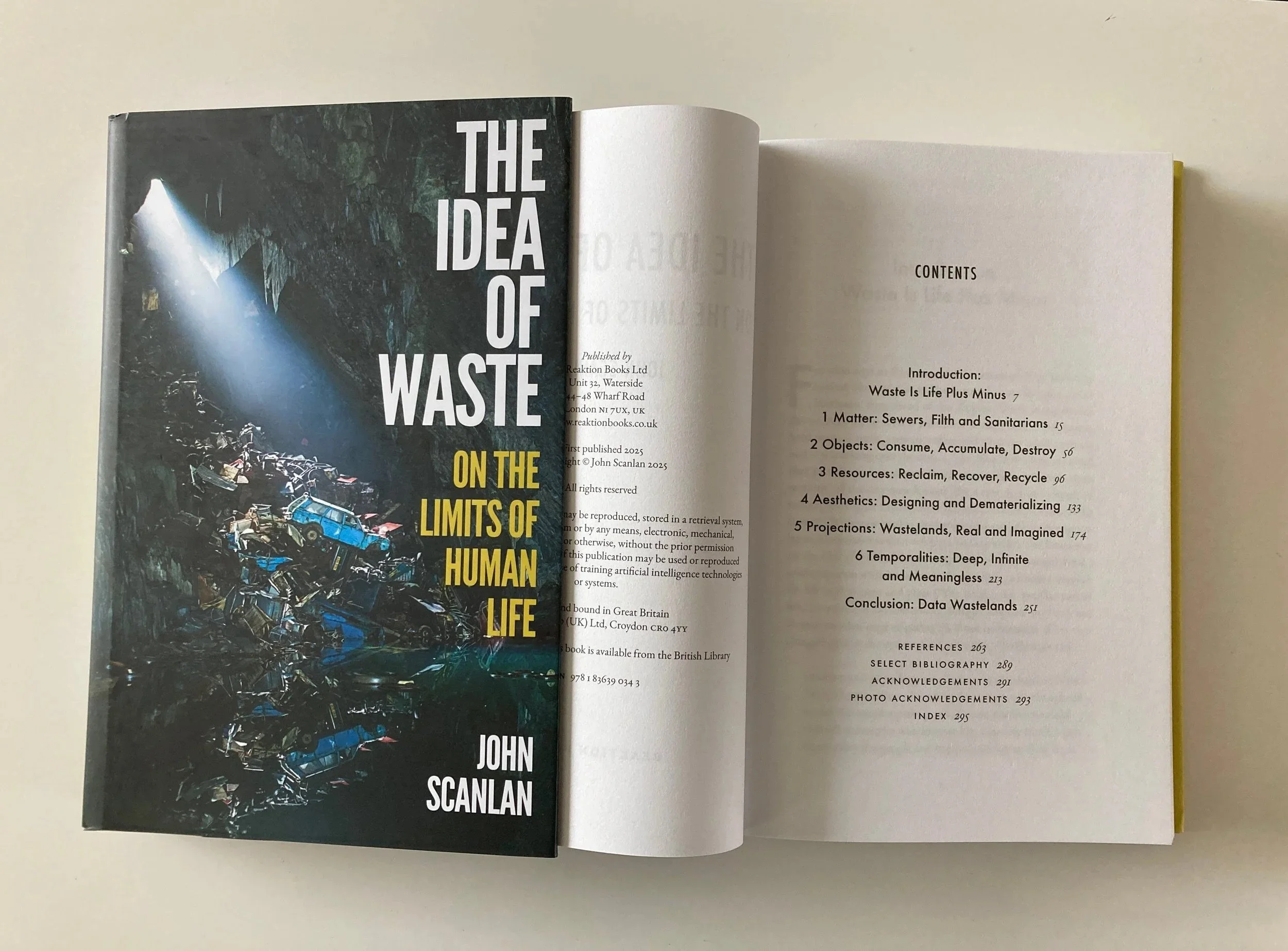
Contents

Introduction: Waste is Life Plus Minus

1 Matter: Sewers, Filth and Sanitarians

2 Objects: Consume, Accumulate, Destroy

3 Resources: Reclaim, Recover, Recycle

4 Aesthetics: Designing and Dematerializing

5 Projections: Wastelands, Real and Imagined

6 Temporalities: Deep, Infinite and Meaningless

Conclusion: Data Wastelands

*

Editions
Reaktion Books (March 2025)
University of Chicago Press (May 2005)
In PUBLICATIONS
← Spirits of PlaceMythical Past, Infinite Future →
Previous Research
01-Fig-1-Flimby-1977.jpg
Thresholds
Routes
Routes
Memorial to Heroic Sacrifice-George Frederick Watts.jpg
Public art
Reviews‘In these domestic travel writings, reminiscent of Jonathan Raban or Iain Sinclair, John Scanlan tours West Cumbria, framing its history in stark contrast to the “other Cumbria” of the Lake District. Without pretence to immutability, he finds…

Reviews

‘In these domestic travel writings, reminiscent of Jonathan Raban or Iain Sinclair, John Scanlan tours West Cumbria, framing its history in stark contrast to the “other Cumbria” of the Lake District. Without pretence to immutability, he finds West Cumbria to be dynamic, having always ‘pointed itself towards the future through industrial change and both in and out migration.’ — Cumbria Life magazine.

‘Does a remarkable job in capturing the essence of this region’ —Tidelines magazine

No results found